5 Pediatrician-Approved Baby Safety Tips Every Parent Should Know
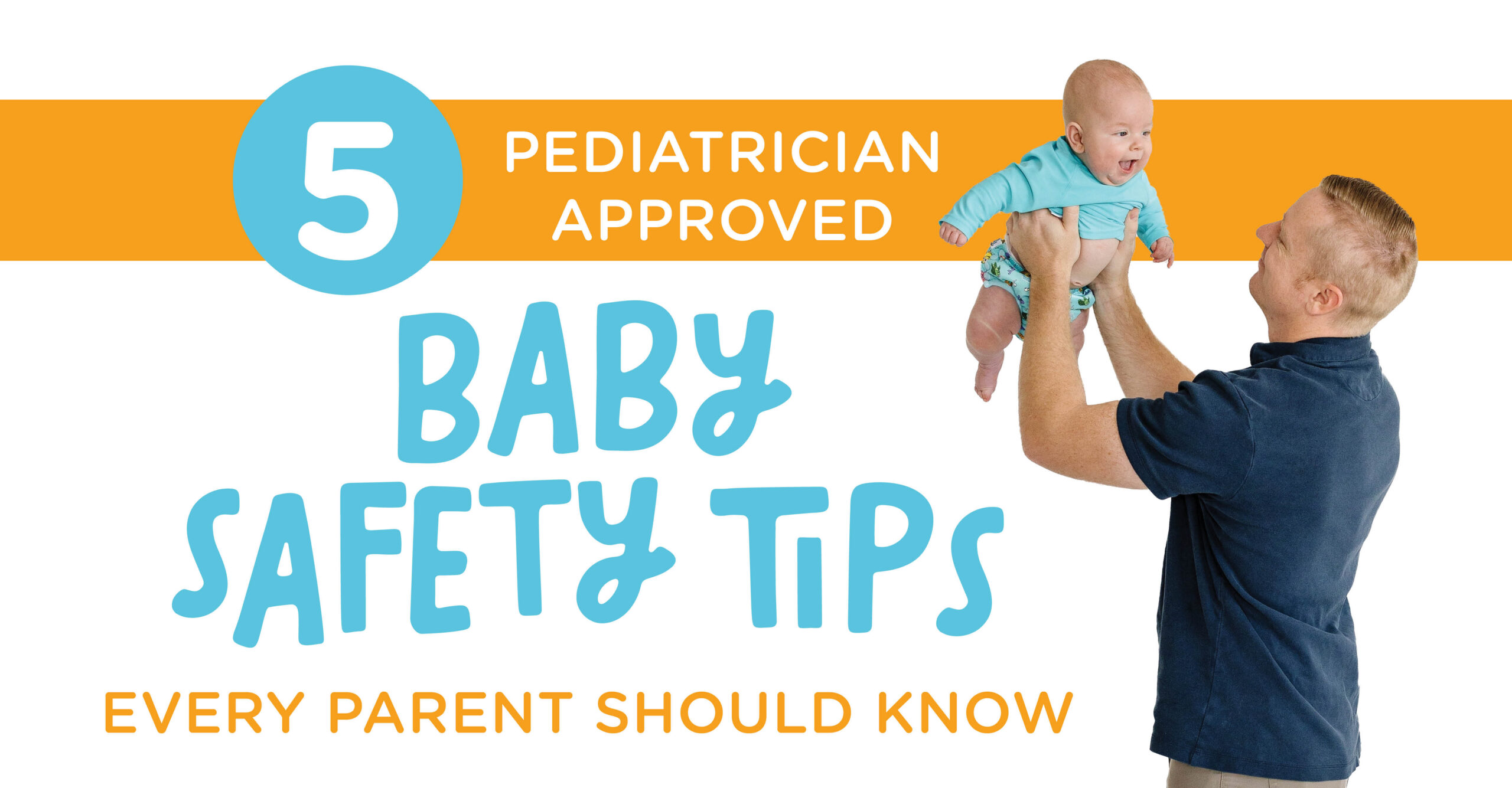
Goldfish Swim School’s o-FISH-al pediatrician, Dr. Molly O’Shea, shares her pediatrician-approved baby safety tips for parents, grandparents and caregivers!
Every parent walks in with a safety checklist already running in their head:
- Car seat installed correctly
- Water heater turned down
- Firm crib mattress
- Parents’ own vaccines up to date
Baby safety is so much bigger than that list, though.
I don’t want any parent walking around feeling like every ordinary moment with their baby is an accident waiting to happen — living that way is exhausting, and it’s no way to enjoy this stage of life. Babies (and parents) are going to have mishaps. Some you can’t do a thing about. But planning ahead for the ones you can prevent? That’s always worth it.
Babies and toddlers are wired to be curious, and their development doesn’t creep along — it leaps. I was just talking with a parent last week whose 3-month-old was up on the bed for a diaper change. She turned around for one second to grab a fresh pack of wipes, and her baby chose that exact moment to roll right off the bed onto the hardwood floor. Baby was fine. The parent will never forget that particular “milestone.”
After three decades in pediatrics, I’ve seen just about everything. Here’s what I tell families:
Baby Safety Tip #1
Start allergenic foods between 4 and 5 months. Eggs, peanut butter, soy, and sesame (tahini) are the big four. Introducing them early and often is one of the best long-term safety moves you can make — anaphylaxis essentially never happens on a first exposure, so talk with your pediatrician and get going.
Baby Safety Tip #2
Get your baby in the pool as early as 4 months. Splashing around and getting comfortable with the noise, the temperature, even the smell of chlorine sets your baby up for real swim lessons down the road — the ones that meaningfully start cutting drowning risk around age 1. Whether that’s a parent-and-me class or just dedicated pool time together, make it a priority. (We happen to keep our water a very un-shivery 90 degrees around here — little fish learn best when they’re comfortable!)
Baby Safety Tip #3
Once your baby is rolling, get down on the floor and crawl your own house. See what’s within grabbing distance from baby’s-eye view, and clear it out before they get there.
Baby Safety Tip #4
Lock up medications and anything like vapes, nicotine pouches, or marijuana gummies. In the house and in your purse. Once your child gets a little older, digging through your bag and putting everything back is basically a hobby for them. Keep the risky stuff genuinely out of reach, not just out of sight.
Baby Safety Tip #5
Keep babies on the ground. Unless you’re sitting right next to them, the floor is the safest place for a baby to be. Toss a play mat or blanket in your bag so you can build a safe play spot wherever you land. Falling is worse than germs, every time.
Do these few things and you get to actually enjoy your baby instead of white-knuckling your way through the day. Accidents will still happen sometimes — that’s parenting — but you’ll have done what’s within your control to keep the odds on your side.
More Posts Like This